

8.5
Viewer Rating
Combines user and critic ratings from four sources
Animation, Family, Adventure, Fantasy, Romance • 1992 • 91 min • All Ages
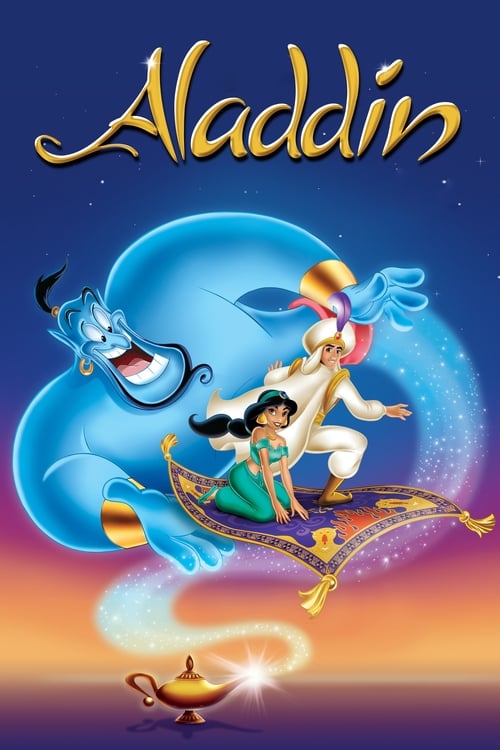
In the boorish city of Agrabah, kind-hearted street urchin Aladdin and Princess Jasmine fall in love, although she can only marry a prince. He and power-hungry Grand Vizier Jafar vie for a magic lamp that can fulfill their wishes.
Scott Weinger • Robin Williams • Linda Larkin
In the boorish city of Agrabah, kind-hearted street urchin Aladdin and Princess Jasmine fall in love, although she can only marry a prince. He and power-hungry Grand Vizier Jafar vie for a magic lamp that can fulfill their wishes.
Scott Weinger • Robin Williams • Linda Larkin
The film leans left by critiquing rigid social hierarchies and traditional constraints on individual freedom and choice, particularly for the poor and women, while championing individual authenticity and a reformist solution to these societal problems.
The movie features a diverse cast that aligns with its Middle Eastern-inspired setting, without explicit DEI-driven recasting of traditionally white roles. The narrative includes a strong female character who challenges societal norms, but it does not explicitly critique traditional identities or frame them negatively.
Aladdin does not feature any identifiable LGBTQ+ characters or themes. The narrative centers on a traditional heterosexual romance, leading to a determination of N/A for LGBTQ+ portrayal.
The film "Aladdin" (1992) does not feature any identifiable transsexual characters or themes. The narrative focuses on its primary characters and plot without engaging with transgender identity or experiences.
The film features Princess Jasmine as the primary female character. While she is assertive and plays a crucial role in the plot, she does not engage in or win any direct physical combat against male opponents. No other female characters participate in combat roles.
The 1992 animated film "Aladdin" adapts the classic folk tale. All major characters, including Aladdin, Jasmine, Genie, and Jafar, retain their established genders from the source material. No character canonically or historically established as one gender is portrayed as a different gender in this film.
The 1992 animated film "Aladdin" portrays its characters as Middle Eastern/Arab, consistent with the cultural setting of its source material, "One Thousand and One Nights." There is no evidence of a character being depicted as a different race than their established or implied origin.
Combines user and critic ratings from four sources