7.9
Viewer Rating
Combines user and critic ratings from four sources
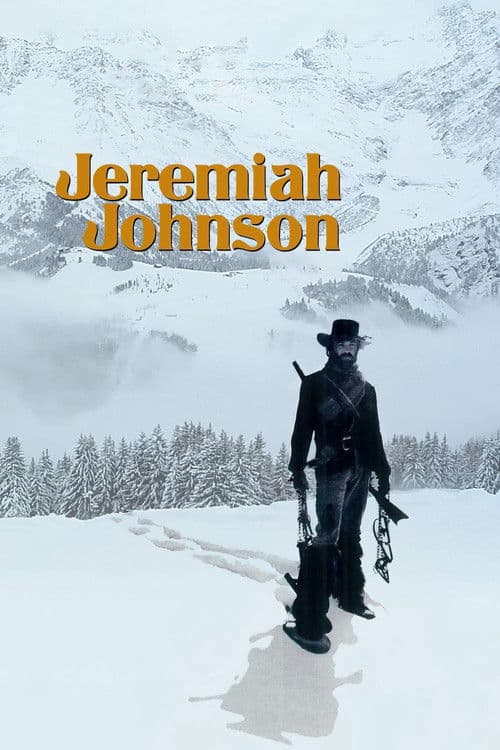
Jeremiah Johnson (1972)
A mountain man who wishes to live the life of a hermit becomes the unwilling object of a long vendetta by Indians when he proves to be the match of their warriors in one-on-one combat on the early frontier.
A mountain man who wishes to live the life of a hermit becomes the unwilling object of a long vendetta by Indians when he proves to be the match of their warriors in one-on-one combat on the early frontier.
The film's dominant themes emphasize rugged individualism, self-reliance, and adaptation to a harsh, unforgiving frontier, aligning with conservative values of personal responsibility and independence over societal solutions.
The movie features traditional casting with a predominantly white lead and supporting characters, consistent with its historical setting. The narrative portrays traditional identities in a neutral to positive light, focusing on the protagonist's journey and survival without explicitly critiquing these identities or centering DEI themes.
The film "Jeremiah Johnson" does not feature any identifiable LGBTQ+ characters or themes. Its narrative focuses on a mountain man's solitary life and interactions in the wilderness, with no elements related to queer identity or experiences.
Jeremiah Johnson is a Western film centered on a mountain man's life in the wilderness. The narrative does not feature any identifiable transsexual characters or explore themes related to transgender identity, resulting in no direct portrayal.
The film features Swan as the primary female character. Her role does not involve direct physical combat. No female characters are depicted engaging in or winning close-quarters physical fights against male opponents.
The film "Jeremiah Johnson" is an adaptation of books and loosely based on a historical figure. All major characters, including Jeremiah Johnson himself and other significant roles, maintain their established gender from the source material or historical record. No character's gender was altered for the screen.
The film adapts source material featuring historical and fictional characters, all of whom are portrayed on screen as the same race established in their respective canons or historical records. No character's race was changed from a previously established identity.
Combines user and critic ratings from four sources