


8.1
Viewer Rating
Combines user and critic ratings from four sources
Action, Crime, Drama • 2019 • 134 min
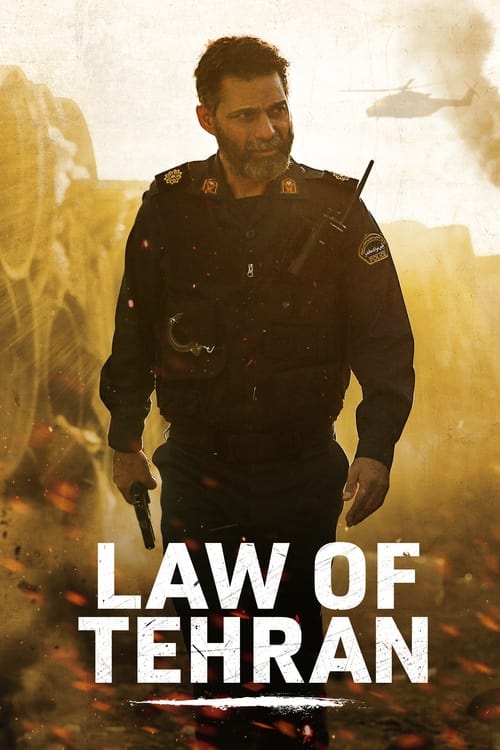
Samad is nobody’s fool. The narcotics officer has seen his share of a drug dealer’s lies and games, and his patience has come to run thin. While searching for the infamous drug baron Nasser Khakzad, he and his colleague Hamid scour the streets of Tehran, turning an overcrowded prison on its head. With his rough and dubious approach, Samad finally manages to find the criminal’s whereabouts – but things do not quite go according to plan...
Payman Maadi • Navid Mohammadzadeh • Parinaz Izadyar
Samad is nobody’s fool. The narcotics officer has seen his share of a drug dealer’s lies and games, and his patience has come to run thin. While searching for the infamous drug baron Nasser Khakzad, he and his colleague Hamid scour the streets of Tehran, turning an overcrowded prison on its head. With his rough and dubious approach, Samad finally manages to find the criminal’s whereabouts – but things do not quite go according to plan...
Payman Maadi • Navid Mohammadzadeh • Parinaz Izadyar
The film offers a stark, unflinching portrayal of Iran's drug crisis and its punitive justice system, emphasizing the overwhelming human cost and systemic failures rather than celebrating law enforcement or offering simple solutions. This aligns with a left-leaning critique of social systems and their impact on individuals.
The film features a cast that reflects the demographics of its Iranian setting, without engaging in explicit DEI-driven recasting of roles. Its narrative focuses on social issues within a crime drama framework and does not explicitly critique traditional identities from a DEI perspective.
The film depicts a traditional nuclear family unit as the central motivation for the protagonist's criminal actions, portraying conventional gender roles and the importance of providing for one's family without endorsing or critiquing alternative structures.
The film critically portrays the Iranian justice system, which is based on Islamic law, as harsh and ineffective in addressing the root causes of drug addiction and crime. It highlights the problematic human cost of its rigid application, particularly regarding capital punishment, without offering significant counterbalancing positive portrayals of the religious institutions or their societal impact.
Law of Tehran is a crime thriller depicting the relentless pursuit of a drug lord by a police detective in Iran. The narrative focuses on the societal impact of drug addiction and the complexities of the justice system. There are no identifiable LGBTQ+ characters or themes present in the film's plot or character arcs.
The film 'Law of Tehran' does not feature any identifiable transgender characters or themes. Its narrative focuses on a police detective's pursuit of a drug lord and the social issues surrounding drug addiction in Iran, without incorporating any elements related to transgender identity.
The film features significant female characters, such as Elham, who are central to the dramatic narrative. However, their roles do not involve participation in physical combat. No female character is depicted engaging in or winning close-quarters physical fights against male opponents.
The film "Law of Tehran" is an original crime drama with characters created specifically for this production. There are no pre-existing characters from prior source material, history, or earlier adaptations whose gender could have been altered.
The film is an original Iranian crime drama featuring characters created specifically for this movie. There is no prior source material, historical record, or previous installment to establish a different canonical race for any character.
Not depicted in the film.
Combines user and critic ratings from four sources






