

7.9
Viewer Rating
Combines user and critic ratings from four sources
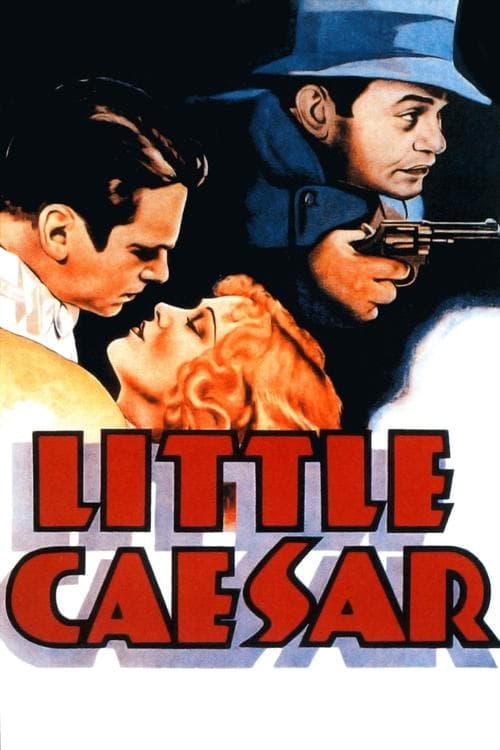
Little Caesar (1931)
A small-time hood shoots his way to the top, but how long can he stay there?
A small-time hood shoots his way to the top, but how long can he stay there?
The film's narrative strongly emphasizes individual responsibility for criminal actions and the ultimate triumph of law and order, aligning with conservative values rather than exploring systemic causes or advocating for social reform.
The movie features a cast that is overwhelmingly white, consistent with traditional casting practices of its time, without any intentional race or gender swaps. The narrative focuses on a male protagonist and does not present any critical portrayal of traditional identities or engage with themes of diversity, equity, or inclusion.
The film "Little Caesar" does not feature any identifiable LGBTQ+ characters or themes. The narrative focuses exclusively on the rise and fall of gangster Rico Bandello and his criminal activities, without any exploration of queer identity or relationships.
Little Caesar, a 1931 gangster film, does not feature any identifiable transsexual characters or themes. The narrative is solely dedicated to the criminal exploits and downfall of its protagonist, Rico Bandello, within the context of the Prohibition-era underworld.
The movie does not contain any action or adventure elements.
The 1931 film "Little Caesar" is a direct adaptation of W. R. Burnett's 1929 novel. All major characters, including Rico Bandello and Joe Massara, maintain their established genders from the source material without any changes.
The 1931 film "Little Caesar" adapts the novel of the same name. All major characters, originally depicted as white (primarily Italian-American), are portrayed by white actors in the film, maintaining their established racial identity. No instances of a character's race being changed from the source material were found.
Combines user and critic ratings from four sources