7.0
Viewer Rating
Combines user and critic ratings from four sources
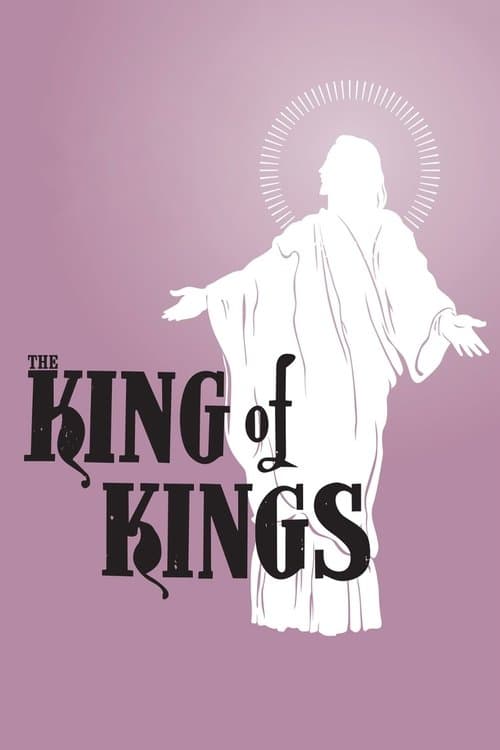
The King of Kings (1927)
The King of Kings is the Greatest Story Ever Told as only Cecil B. DeMille could tell it. In 1927, working with one of the biggest budgets in Hollywood history, DeMille spun the life and Passion of Christ into a silent-era blockbuster. Featuring text drawn directly from the Bible, a cast of thousands, and the great showman’s singular cinematic bag of tricks, The King of Kings is at once spectacular and deeply reverent—part Gospel, part Technicolor epic.
 HBO Max
The King of Kings is the Greatest Story Ever Told as only Cecil B. DeMille could tell it. In 1927, working with one of the biggest budgets in Hollywood history, DeMille spun the life and Passion of Christ into a silent-era blockbuster. Featuring text drawn directly from the Bible, a cast of thousands, and the great showman’s singular cinematic bag of tricks, The King of Kings is at once spectacular and deeply reverent—part Gospel, part Technicolor epic.
HBO MaxThe film's dominant themes align with conservative values, emphasizing traditional morality, individual spiritual salvation, and divine authority as the solution to human suffering and sin, rather than systemic or political change.
The film features a predominantly white cast, reflecting the common casting practices for biblical epics of its time, without intentional race or gender swaps. Its narrative focuses on a reverent portrayal of traditional biblical figures, presenting traditional identities in a neutral or positive light without engaging in critical social commentary.
The film portrays historical figures from ancient Judea, including Jesus and his disciples, who were Middle Eastern, using predominantly white actors. This constitutes a race swap based on historical documentation.
The film is a reverent and affirming portrayal of the life, teachings, miracles, and divinity of Jesus Christ, aligning entirely with Christian virtues and narrative.
The film depicts the Jewish religious establishment (the Sanhedrin) as hypocritical and ultimately responsible for Jesus's crucifixion, aligning with traditional Passion narratives that have historically contributed to negative stereotypes, despite portraying many individual Jewish characters positively.
Cecil B. DeMille's 1927 silent epic, 'The King of Kings,' centers on the life of Jesus Christ. Consistent with the social and cinematic norms of its era and its religious subject matter, the film does not include any discernible LGBTQ+ characters or themes. Consequently, there is no portrayal of LGBTQ+ identities to evaluate within the narrative.
The King of Kings (1927) is a silent epic film depicting the life of Jesus Christ. There are no identifiable transsexual characters or themes present in the narrative, nor are there any elements that could be interpreted as such within the film's historical and thematic context.
The movie does not contain any action or adventure elements.
The King of Kings (1927) is an adaptation of the New Testament. All major biblical characters, such as Jesus, Mary, and the apostles, are portrayed with their historically and canonically established genders, with no instances of gender swapping.
Combines user and critic ratings from four sources