

8.1
Viewer Rating
Combines user and critic ratings from four sources
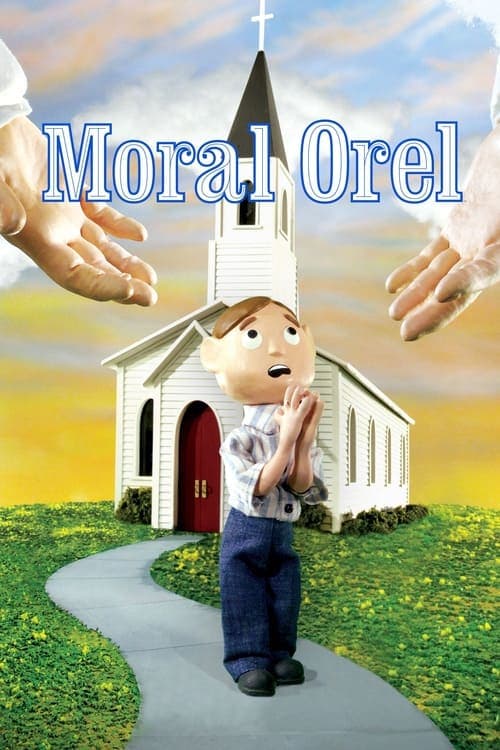
Moral Orel (2005)
An animated dark comedy following Orel, an earnest 11-year-old whose literal interpretations of religious teachings consistently backfire into chaos and harm. Created by Dino Stamatopoulos, the series tracks Orel's misadventures in a conservative small town as he navigates faith, family, and morality with unshakeable optimism despite mounting disasters. The show blends absurdist humor with character-driven storytelling, examining how rigid belief systems affect children, families, and communities.
An animated dark comedy following Orel, an earnest 11-year-old whose literal interpretations of religious teachings consistently backfire into chaos and harm. Created by Dino Stamatopoulos, the series tracks Orel's misadventures in a conservative small town as he navigates faith, family, and morality with unshakeable optimism despite mounting disasters. The show blends absurdist humor with character-driven storytelling, examining how rigid belief systems affect children, families, and communities.
The series "Moral Orel" delivers a biting satire of religious fundamentalism and the pervasive hypocrisy within rigid moral structures. It consistently critiques the damaging effects of dogmatic interpretations of faith on individuals and family dynamics.
The animated series "Moral Orel" features character designs that reflect a traditional, homogenous community. The narrative, however, strongly critiques traditional identities and patriarchal structures, highlighting the negative consequences of rigid societal norms.
Moral Orel features significant LGBTQ+ characters whose complex lives and relationships are explored with empathy. The series critiques societal prejudice and hypocrisy through the struggles of characters like Coach Stopframe and Principal Fakey, a closeted gay couple, and Doughy, a young boy grappling with his identity. The narrative consistently highlights the harm of intolerance, ultimately affirming the worth of queer lives and love amidst a challenging environment.
Moral Orel depicts a highly dysfunctional family unit where traditional structures, gender roles, and religious influence are consistently portrayed as sources of hypocrisy, abuse, and emotional damage. The narrative actively critiques and undermines these norms by showcasing their destructive consequences.
The series satirizes Christian fundamentalism, portraying its institutions and many adherents as hypocritical, judgmental, and often cruel. Faith is frequently depicted as a justification for abuse and bigotry within the community. The narrative consistently exposes the damaging consequences of rigid and unthinking adherence to a distorted interpretation of Christian doctrine.
The animated series Moral Orel does not feature identifiable transsexual characters or themes. The narrative primarily focuses on Orel Puppington's attempts to navigate a morally rigid, religiously fundamentalist community, exploring themes of hypocrisy and suburban dysfunction. The series does not engage with transsexual identity or related storylines.
The movie does not contain any action or adventure elements.
Moral Orel is an original animated series. All characters were created specifically for this show, meaning there are no pre-existing characters from source material or previous adaptations whose genders could have been altered. The series does not feature any gender swaps.
Moral Orel is an original animated series. Its characters were created for the show and do not have prior canonical racial depictions from other source material. Therefore, no race swaps are present.
Combines user and critic ratings from four sources