MovieBias

See all results for ""
BrowseAnalyticsAbout

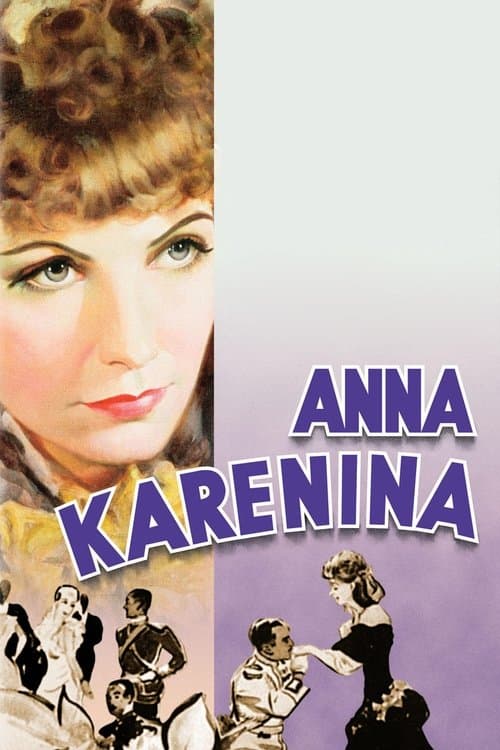
Anna Karenina (1935)

Anna Karenina poster

Anna Karenina (1935)

Overview

In Imperial Russia, Anna, wife of the officer Karenin, goes to Moscow to visit her brother. On the way, she meets charming cavalry officer Vronsky, to whom she's immediately attracted. But in St. Petersburg’s high society, a relationship like this could destroy a woman’s reputation.


Starring Cast


Where to watch

Apple TV logoApple TV
Google Play logoGoogle Play
Fandango
Powered byJustWatch

Rating & Dimensions

Bias Rating
Analyzing...
Leans Traditional

Political: Center
Diversity: Low
Christianity: Negative

Viewer Rating
7.4

Overview

In Imperial Russia, Anna, wife of the officer Karenin, goes to Moscow to visit her brother. On the way, she meets charming cavalry officer Vronsky, to whom she's immediately attracted. But in St. Petersburg’s high society, a relationship like this could destroy a woman’s reputation.


Starring Cast


Where to watch

Apple TV logoApple TV
Google Play logoGoogle Play
Fandango
Powered byJustWatch

Detailed Bias Analysis

Analyzing...
Leans Traditional

Primary

The film explores the tragic consequences of forbidden love and societal hypocrisy within 19th-century Russian aristocracy, focusing on individual drama rather than promoting a specific political ideology or solution.

The 1935 film 'Anna Karenina' features traditional casting for its era, with no intentional race or gender swaps of established roles. The narrative focuses on its period-specific themes without critiquing traditional identities in a modern diversity, equity, and inclusion context.

Secondary

The film portrays the rigid, unforgiving societal application of Christian morality as a destructive force, leading to Anna's tragic ostracization and downfall. It critiques the hypocrisy and lack of compassion within the dominant religious institutions and social norms of the era, particularly through characters like Karenin whose piety is cold and legalistic.

The 1935 film adaptation of Anna Karenina does not feature any identifiable LGBTQ+ characters or themes. Its narrative is exclusively centered on heterosexual relationships and the social conventions of its historical setting, resulting in no LGBTQ+ portrayal.

The 1935 film adaptation of 'Anna Karenina' does not feature any identifiable transsexual characters or themes. The narrative focuses on 19th-century Russian society, social conventions, and a tragic love story, with no elements related to transgender identity or experiences.

The movie does not contain any action or adventure elements.

The 1935 film adaptation of Leo Tolstoy's novel "Anna Karenina" maintains the established genders of all major characters from the original source material. No characters canonically or historically established as one gender are portrayed as a different gender in this film.

The 1935 film adaptation of Leo Tolstoy's novel "Anna Karenina" features a cast of white actors portraying characters who are canonically white Russian in the original source material. There are no instances where a character's established race was changed for the screen.


Viewer Rating Breakdown

7.4

Viewer Rating

Combines user and critic ratings from four sources
User Ratings

IMDB logo
7.0
The Movie Database logo
6.5

Critic Ratings

Rotten Tomatoes logo
8.6
Metacritic logo
N/A

More Like This

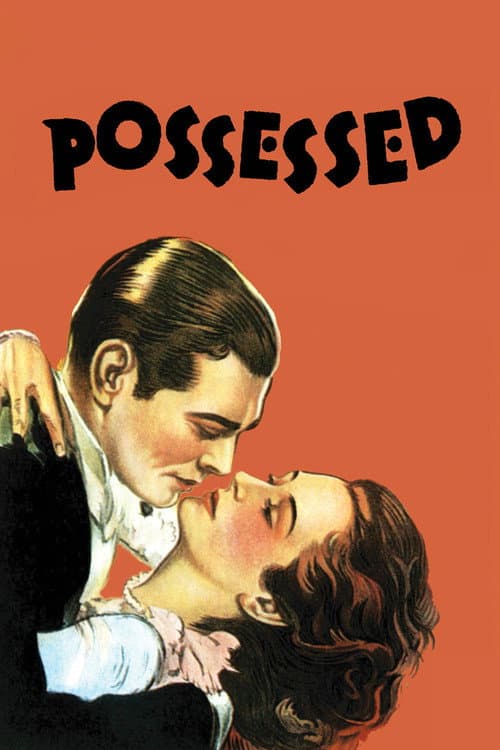
Possessed poster
Leans Traditional
6.9
Possessed
 (1931)
Political: Center
Diversity: Low
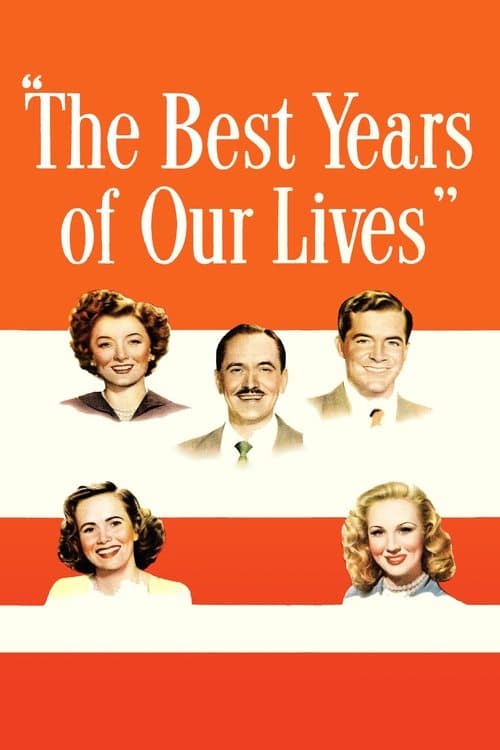
The Best Years of Our Lives poster
Leans Traditional
8.7
The Best Years of Our Lives
 (1946)
Political: Center
Diversity: Low
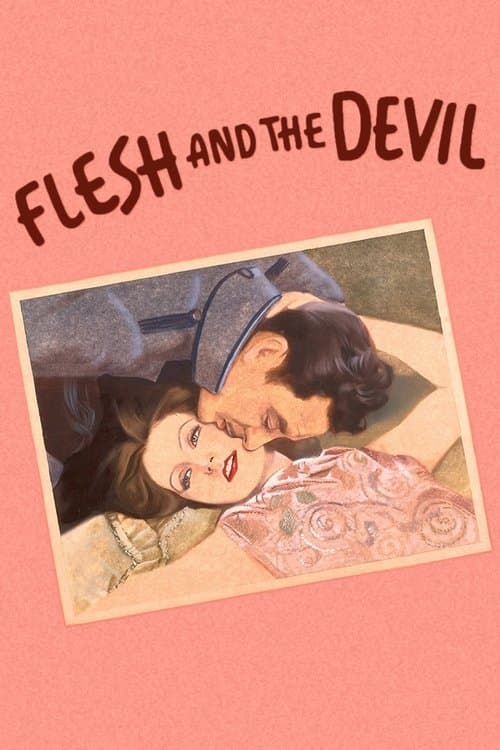
Flesh and the Devil poster
Traditional
8.0
Flesh and the Devil
 (1926)
Political: Leans Right
Diversity: Low
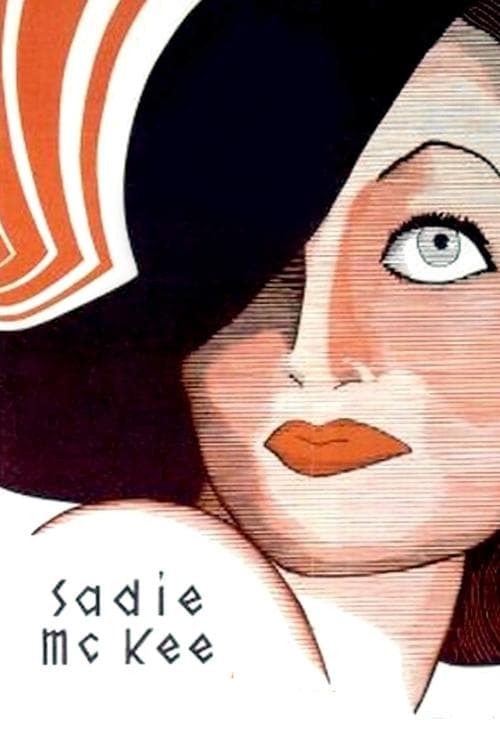
Sadie McKee poster
Traditional
6.9
Sadie McKee
 (1934)
Political: Leans Right
Diversity: Low
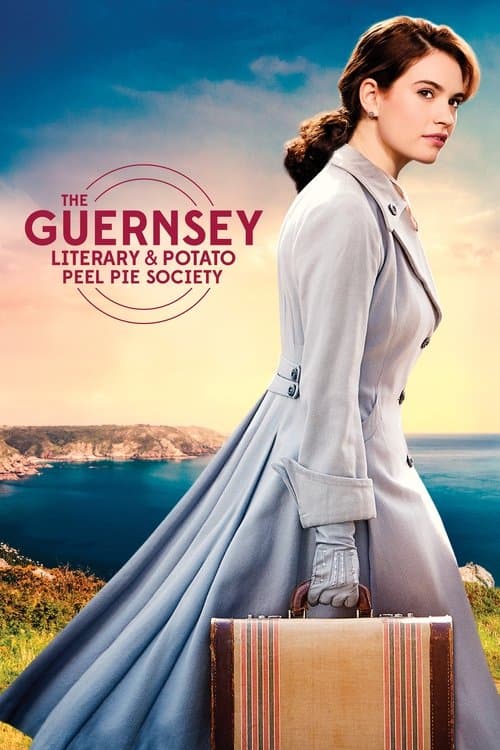
The Guernsey Literary & Potato Peel Pie Society poster
Leans Traditional
7.4
The Guernsey Literary & Potato Peel Pie Society
 (2018)
Political: Center
Diversity: Low
Out of Africa poster
Leans Traditional
6.9
Out of Africa
 (1985)
Political: Center
Diversity: Low
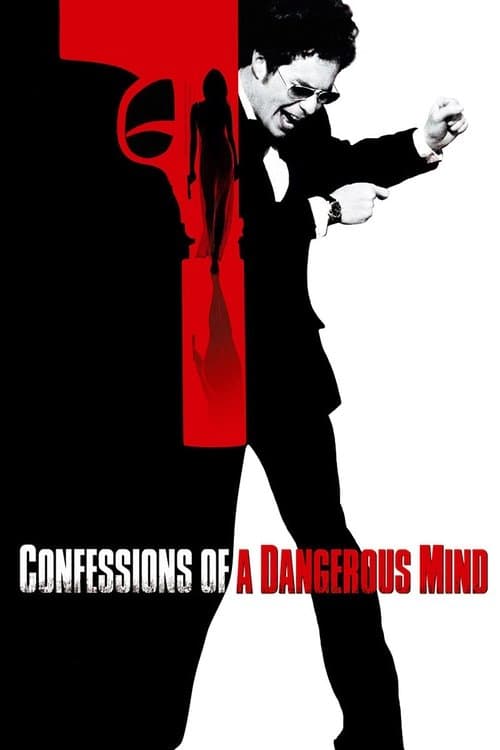
Confessions of a Dangerous Mind poster
Leans Traditional
7.1
Confessions of a Dangerous Mind
 (2002)
Political: Center
Diversity: Low
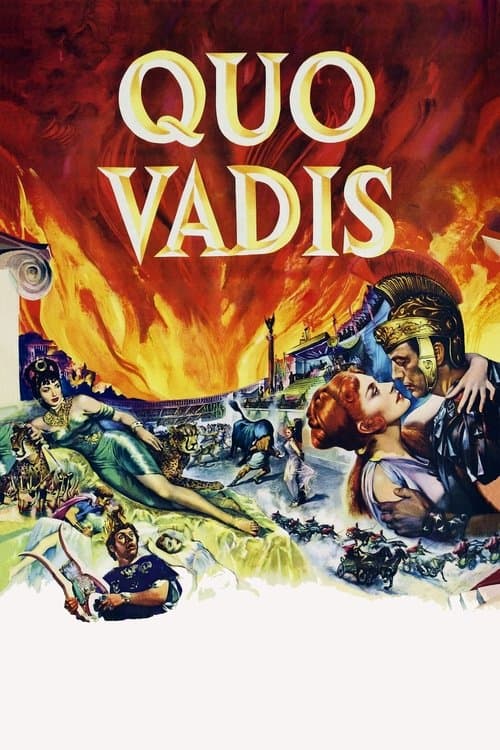
Quo Vadis poster
Traditional
7.3
Quo Vadis
 (1951)
Political: Leans Right
Diversity: Low
The Good Earth poster
Leans Traditional
7.7
The Good Earth
 (1937)
Political: Leans Right
Diversity: Low
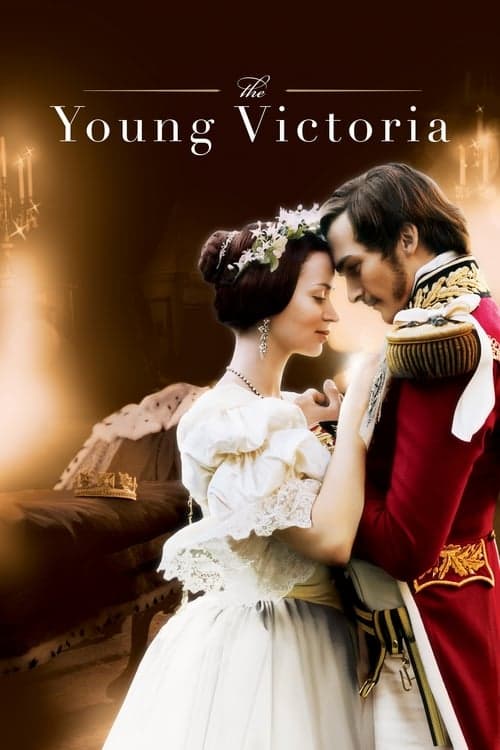
The Young Victoria poster
Traditional
7.1
The Young Victoria
 (2009)
Political: Leans Right
Diversity: Low
Cinderella Man poster
Traditional
7.6
Cinderella Man
 (2005)
Political: Leans Right
Diversity: Low
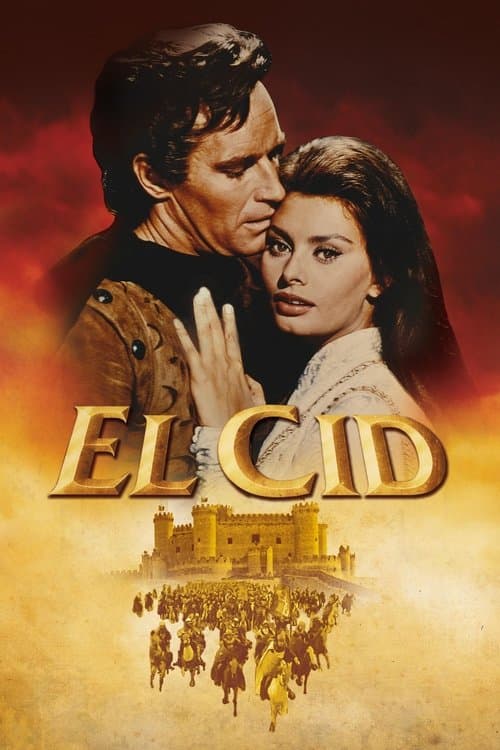
El Cid poster
Traditional
7.8
El Cid
 (1961)
Political: Leans Right
Diversity: Low
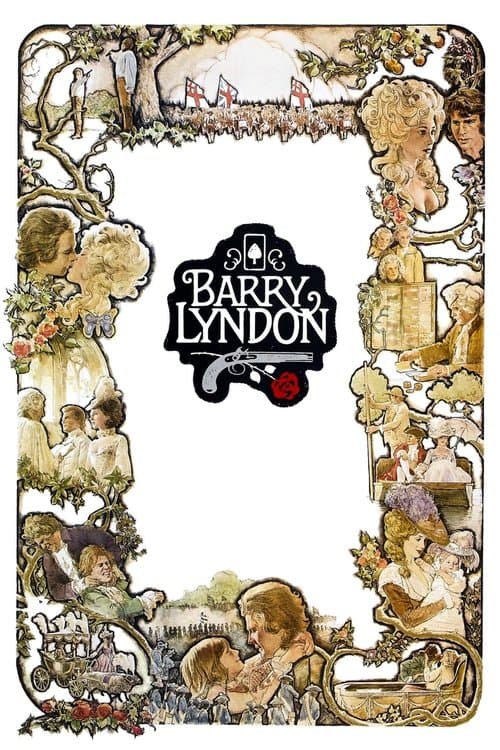
Barry Lyndon poster
Leans Traditional
8.2
Barry Lyndon
 (1975)
Political: Center
Diversity: Low
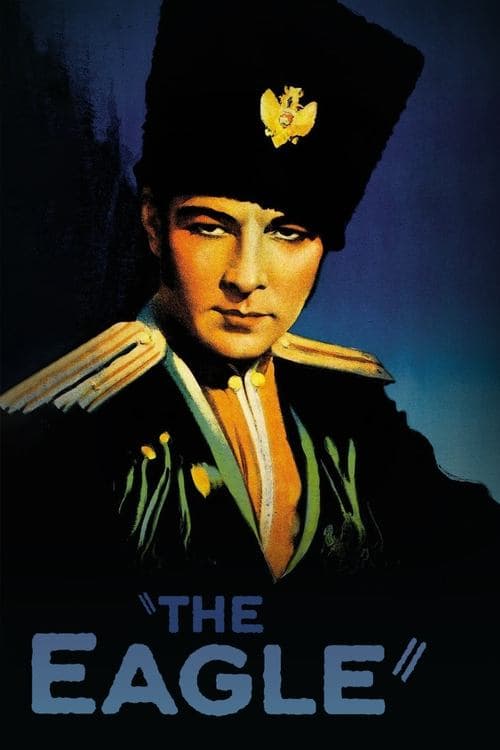
The Eagle poster
Leans Traditional
7.1
The Eagle
 (1925)
Political: Center
Diversity: Low
Emma poster
Leans Traditional
6.7
Emma
 (1932)
Political: Center
Diversity: Low
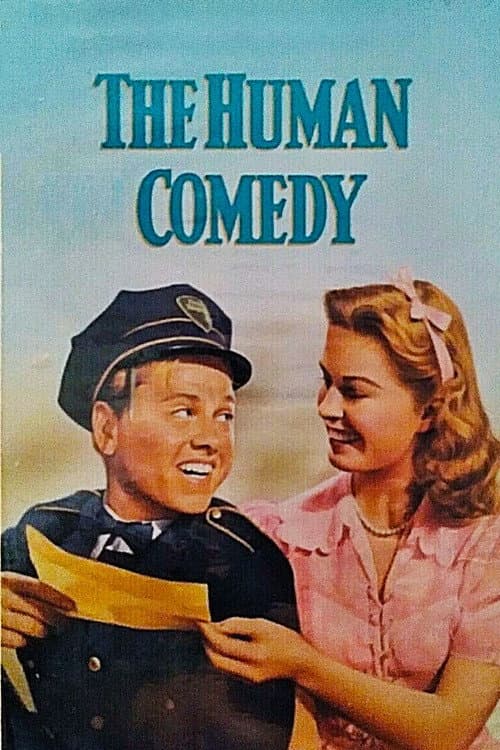
The Human Comedy poster
Traditional
7.7
The Human Comedy
 (1943)
Political: Leans Right
Diversity: Low
National Velvet poster
Leans Traditional
8.1
National Velvet
 (1945)
Political: Center
Diversity: Low
Little Lord Fauntleroy poster
Traditional
7.5
Little Lord Fauntleroy
 (1936)
Political: Leans Right
Diversity: Low
On the Waterfront poster
Traditional
8.7
On the Waterfront
 (1954)
Political: Leans Right
Diversity: Low
The Miracle Worker poster
Leans Traditional
9.7
The Miracle Worker
 (1957)
Political: Center
Diversity: Low
MovieBias

Privacy PolicyTerms of ServiceCookies PolicyAI Policy

Copyright 2025 © moviebias.com