6.8
Viewer Rating
Combines user and critic ratings from four sources
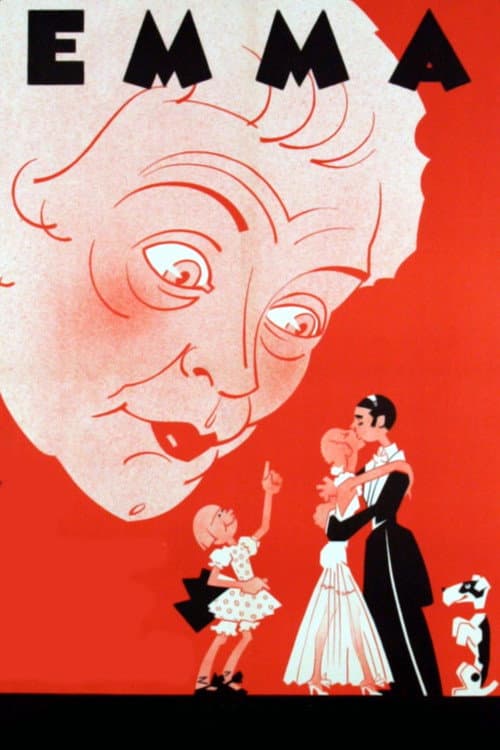
Emma (1932)
After decades of raising the motherless Smith children, housekeeper Emma Thatcher is faced with resentment when she marries their father.
After decades of raising the motherless Smith children, housekeeper Emma Thatcher is faced with resentment when she marries their father.
The film focuses on the personal journey of a woman navigating family dynamics and finding individual happiness, without explicitly promoting or critiquing specific political ideologies or societal structures.
This classic 1932 film features traditional casting and character representation typical of its era, with no intentional race or gender swaps. The narrative focuses on personal and family drama without critiquing traditional identities or incorporating explicit DEI themes.
The 1932 film 'Emma,' directed by Clarence Brown, is a pre-Code drama centered on a housekeeper's marriage to her employer. The narrative does not feature any identifiable LGBTQ+ characters or themes, nor does it explore queer identity or relationships in any capacity.
The film 'Emma' (1932) does not feature any identifiable transsexual characters or themes. Its plot centers on a housekeeper's life and relationships within a traditional family drama context, making the portrayal N/A.
The movie does not contain any action or adventure elements.
The 1932 film "Emma" adapts Jane Austen's novel. All major characters, such as Emma Woodhouse and Mr. Knightley, retain their established genders from the source material. No canonical characters were portrayed with a different gender.
The 1932 film "Emma" features characters original to that specific movie, not based on prior source material or historical figures with established racial identities. Therefore, no character's race could have been altered from a pre-existing depiction.
Combines user and critic ratings from four sources