

8.9
Viewer Rating
Combines user and critic ratings from four sources
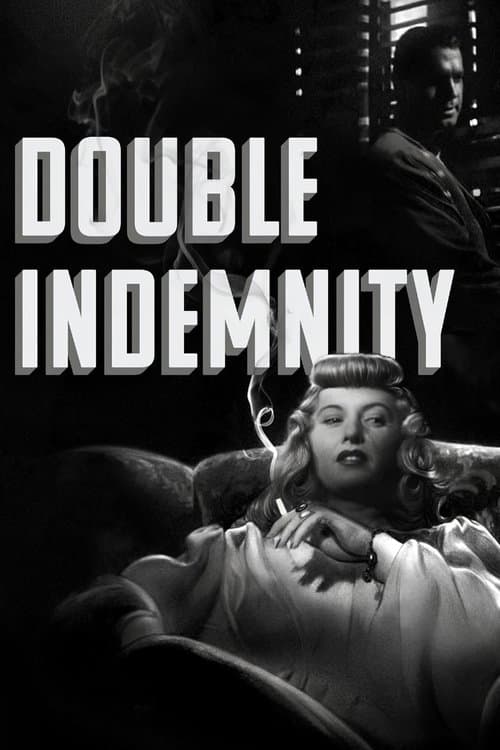
Double Indemnity (1944)
An insurance representative is seduced by a dissatisfied housewife into a scheme of insurance fraud and murder that arouses the suspicion of his colleague, a claims investigator.
An insurance representative is seduced by a dissatisfied housewife into a scheme of insurance fraud and murder that arouses the suspicion of his colleague, a claims investigator.
The film explores universal themes of human greed, betrayal, and moral decay through a crime narrative, focusing on individual choices and their inevitable consequences rather than engaging with specific political ideologies or advocating for systemic change.
This 1944 film features a predominantly white cast in all major roles, reflecting the common casting practices of its era. The narrative explores themes of crime and moral compromise without engaging in any critique of traditional identities or incorporating explicit DEI themes.
Double Indemnity, a classic film noir from 1944, focuses on a heterosexual illicit affair and murder plot. The narrative contains no discernible LGBTQ+ characters, relationships, or themes. Consequently, there is no portrayal of queer identity to evaluate within the film's storyline.
Double Indemnity, a 1944 film noir, does not feature any identifiable transsexual characters or themes. Its narrative focuses on a heterosexual relationship, insurance fraud, and murder, with no elements related to transgender identity or experiences.
The movie does not contain any action or adventure elements.
The film "Double Indemnity" is an adaptation of James M. Cain's novel. All principal characters in the film retain the same gender as established in the original source material, with no changes to their canonical gender.
The 1944 film "Double Indemnity" is an adaptation of James M. Cain's 1943 novella. The main characters, such as Walter Neff, Phyllis Dietrichson, and Barton Keyes, were consistently portrayed by white actors, aligning with their implied race in the source material. No character's race was altered from its established depiction.
Combines user and critic ratings from four sources