7.8
Viewer Rating
Combines user and critic ratings from four sources
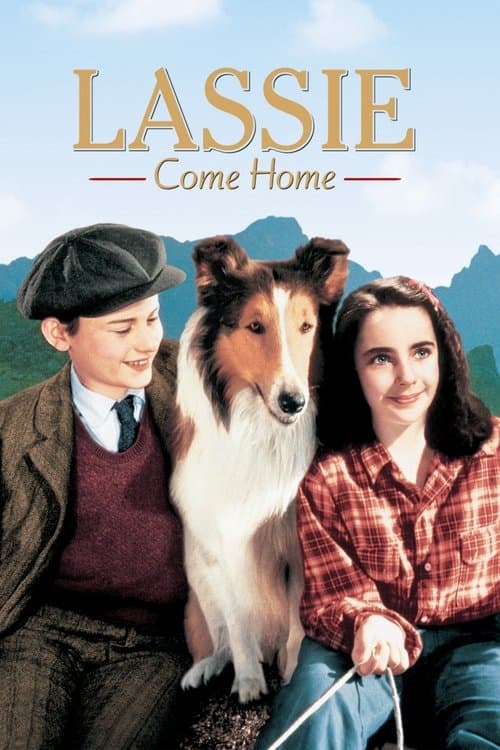
Lassie Come Home (1943)
Hard times come for the Carraclough family and they are forced to sell their dog, Lassie, to the rich Duke of Rudling. Lassie, however, is unwilling to remain apart from young Carraclough son Joe and sets out on a long and dangerous journey to rejoin him.
Hard times come for the Carraclough family and they are forced to sell their dog, Lassie, to the rich Duke of Rudling. Lassie, however, is unwilling to remain apart from young Carraclough son Joe and sets out on a long and dangerous journey to rejoin him.
The film's central narrative revolves around universal themes of loyalty, perseverance, and the strong bond between a boy and his dog, with economic hardship serving as a plot catalyst rather than a subject for political critique or advocacy.
The film features traditional casting with no explicit race or gender swaps of established roles. Its narrative focuses on classic themes of loyalty and family, without critiquing traditional identities or incorporating explicit DEI themes.
Lassie Come Home is a classic family adventure film centered on the bond between a boy and his dog. The narrative focuses on themes of loyalty and perseverance, with no discernible LGBTQ+ characters or themes present in the story.
Lassie Come Home (1943) is a classic family adventure film centered on a boy and his loyal collie. The narrative focuses on the dog's journey to return home after being sold. The film does not feature any identifiable transsexual characters or themes, nor does it touch upon gender identity in any capacity.
The film is a family drama centered on a boy and his dog. It does not feature any scenes where female characters engage in or win direct physical combat against male opponents. The narrative focuses on Lassie's journey and the emotional bonds between characters.
The character Lassie is canonically and consistently portrayed as female in both the source material and the film. While a male dog played the role, the character's gender identity within the narrative remained female, thus not constituting a gender swap.
The 1943 film "Lassie Come Home" is the first major adaptation of Eric Knight's novel. The human characters, such as Joe Carraclough and his family, were depicted as white in the source material and portrayed by white actors in this film. There are no instances of characters established as one race being portrayed as a different race.
Combines user and critic ratings from four sources