


7.6
Viewer Rating
Combines user and critic ratings from four sources
Family, Fantasy, Comedy • 1971 • 100 min • All Ages
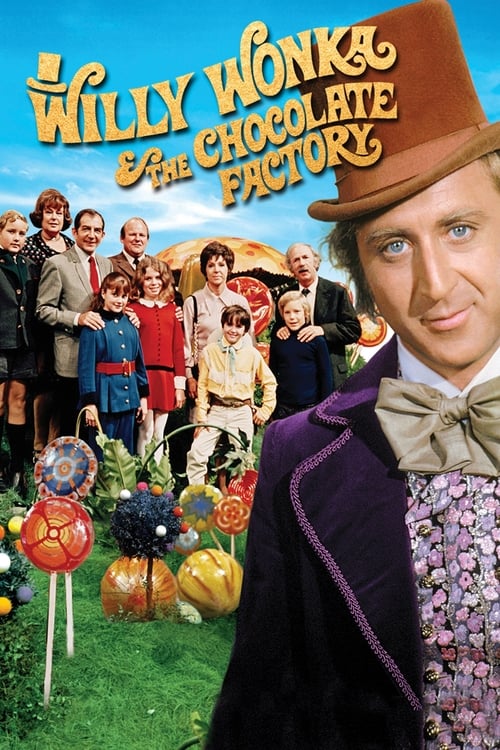
When eccentric candy man Willy Wonka promises a lifetime supply of sweets and a tour of his chocolate factory to five lucky kids, penniless Charlie Bucket seeks the golden ticket that will make him a winner.
Gene Wilder • Jack Albertson • Peter Ostrum
When eccentric candy man Willy Wonka promises a lifetime supply of sweets and a tour of his chocolate factory to five lucky kids, penniless Charlie Bucket seeks the golden ticket that will make him a winner.
Gene Wilder • Jack Albertson • Peter Ostrum
The film's central narrative emphasizes individual responsibility and the direct consequences of moral failings, rewarding traditional virtues like humility and honesty, which aligns with a right-leaning perspective on personal accountability.
The film features traditional casting with a predominantly white ensemble and does not include explicit race or gender swaps for established roles. Its narrative focuses on a morality tale, critiquing character flaws rather than traditional identities, and does not incorporate explicit DEI themes.
The Oompa Loompas, originally described as African pygmies with dark skin in the 1964 novel, were portrayed with orange skin and green hair by actors of various races in the 1971 film adaptation. This constitutes a change from their canonically established race.
The film 'Willy Wonka & the Chocolate Factory' does not include any identifiable LGBTQ+ characters or themes. Its narrative focuses on a magical factory tour and moral lessons without engaging with queer identity in any capacity.
Willy Wonka & the Chocolate Factory does not contain any identifiable transsexual characters or themes. The story focuses on Charlie Bucket's adventure through a magical candy factory, with no elements pertaining to transgender identity or experiences.
The movie does not contain any action or adventure elements.
The 1971 film adaptation of Roald Dahl's novel retains the established genders for all major characters from the source material. No character canonically established as one gender is portrayed as a different gender in the film.
Combines user and critic ratings from four sources






