8.3
Viewer Rating
Combines user and critic ratings from four sources
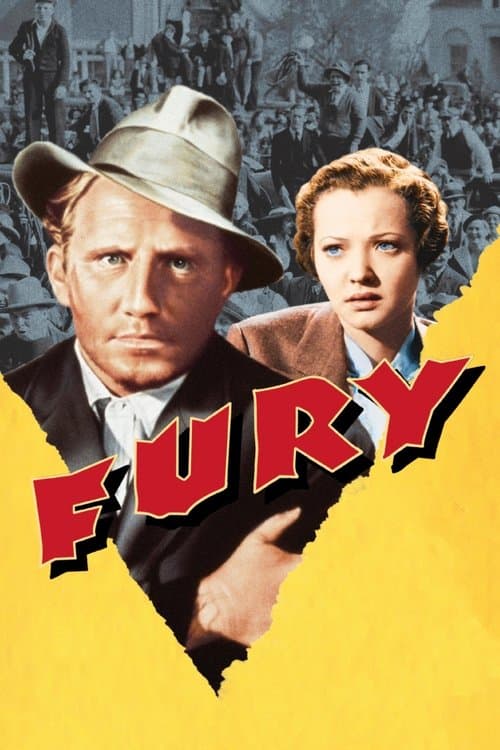
Fury (1936)
Joe, who owns a gas station along with his brothers and is about to marry Katherine, travels to the small town where she lives to visit her, but is wrongly mistaken for a wanted kidnapper and arrested.
Joe, who owns a gas station along with his brothers and is about to marry Katherine, travels to the small town where she lives to visit her, but is wrongly mistaken for a wanted kidnapper and arrested.
The film critiques the dangers of mob rule and collective hysteria, advocating for the restoration of due process and the rule of law. Its focus on universal principles of justice and the individual's moral choice against societal irrationality positions it as neutral.
The movie 'Fury' features a traditional cast reflective of its era, without intentional race or gender swaps. Its narrative explores themes of mob mentality and injustice, but does not explicitly critique or negatively portray traditional identities.
The film critiques the mob's violent and unjust actions, which are antithetical to Christian values, rather than critiquing Christianity itself. The narrative implicitly affirms the principles of justice and compassion that the mob violates, positioning the audience to condemn bigotry and sympathize with the victim.
Fritz Lang's 1936 film 'Fury' does not feature any identifiable LGBTQ+ characters or themes. The story centers on an innocent man's experience with mob violence and his subsequent quest for revenge, without touching upon queer identity or related issues.
Fritz Lang's 1936 film "Fury" does not feature any transsexual characters or themes. The story centers on a man wrongly accused of a crime and the subsequent mob violence and quest for revenge, with no elements related to transgender identity present in its plot or character arcs.
The movie does not contain any action or adventure elements.
Fury (1936) is an original film with characters created specifically for its narrative. It is not an adaptation of pre-existing material, a biopic, or a reboot with legacy characters. Therefore, no characters were established as a different gender in prior canon or history.
The film "Fury" (1936) is an original story, not an adaptation of pre-existing material with established characters or historical figures. Therefore, its characters do not have a canonical or historical race that could be altered.
Combines user and critic ratings from four sources