7.3
Viewer Rating
Combines user and critic ratings from four sources
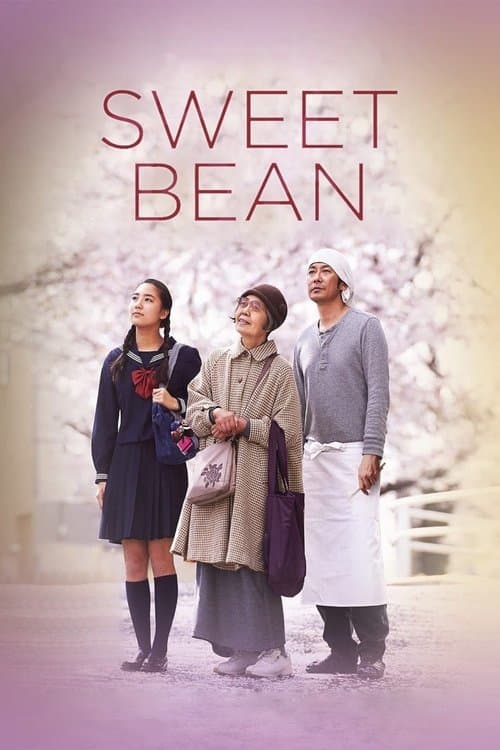
Sweet Bean (2015)
A gentle character drama about an aging woman who transforms a small dorayaki shop through her pastry-making skill and quiet presence. Directed by Naomi Kawase, the film stars Kirin Kiki as the elderly newcomer and Masatoshi Nagase as the shop's owner, exploring how shared work and human connection can bridge unexpected divides. A Japanese production that finds meaning in craft, daily ritual, and the bonds formed between unlikely companions.
A gentle character drama about an aging woman who transforms a small dorayaki shop through her pastry-making skill and quiet presence. Directed by Naomi Kawase, the film stars Kirin Kiki as the elderly newcomer and Masatoshi Nagase as the shop's owner, exploring how shared work and human connection can bridge unexpected divides. A Japanese production that finds meaning in craft, daily ritual, and the bonds formed between unlikely companions.
The film explores universal themes of human connection, the dignity of labor, and overcoming social prejudice through individual acts of empathy and shared purpose. It focuses on personal transformation and interpersonal relationships rather than advocating for specific political ideologies or systemic change.
The film features a diverse cast that reflects its cultural origin. Its narrative explores themes of social acceptance and human connection without explicitly critiquing traditional identities.
The narrative highlights the formation of supportive, non-biological "chosen family" bonds among individuals, underscoring the importance of these alternative connections. This portrayal leans towards a progressive understanding of family structures.
The film's narrative aligns with core Buddhist principles, emphasizing compassion, the acceptance of impermanence, and finding beauty and meaning in life despite suffering. The character of Tokue embodies these virtues, offering wisdom and a profound connection to nature, which the film portrays as deeply admirable and life-affirming. The story champions empathy and resilience in the face of prejudice.
Sweet Bean does not feature any identifiable LGBTQ+ characters or themes. The film's narrative explores themes of human connection, compassion, and societal challenges through its central characters and their relationships, without incorporating LGBTQ+ representation.
The film 'Sweet Bean' focuses on the lives of a dorayaki shop owner and an elderly woman, delving into themes of societal prejudice, aging, and the pursuit of meaning. The narrative does not feature any identifiable transsexual characters or themes, maintaining its focus on other social and personal journeys.
The movie does not contain any action or adventure elements.
The film "Sweet Bean" does not feature characters who were previously established as one gender and are portrayed as another. The narrative introduces original characters without altering pre-existing gender identities from source material or historical records.
The film "Sweet Bean" is a Japanese production based on a Japanese novel, featuring Japanese characters. The cast, including Kirin Kiki, Masatoshi Nagase, and Kyara Uchida, are all Japanese actors portraying characters of the same race as established in the source material and setting. No instances of race swapping are present.
Combines user and critic ratings from four sources