MovieBias

See all results for ""
BrowseAnalyticsAbout

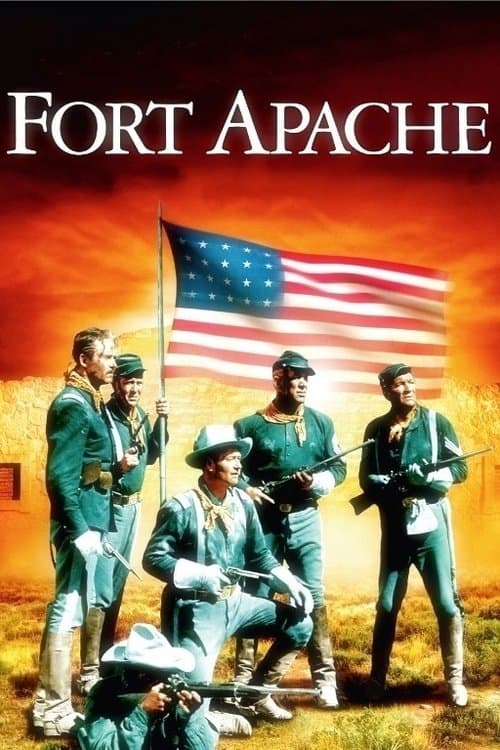
Fort Apache (1948)

Fort Apache poster

Fort Apache (1948)

Overview

Owen Thursday sees his new posting to the desolate Fort Apache as a chance to claim the military honour which he believes is rightfully his. Arrogant, obsessed with military form and ultimately self-destructive, he attempts to destroy the Apache chief Cochise after luring him across the border from Mexico, against the advice of his subordinates.


Starring Cast


Where to watch

Apple TV logoApple TV
Google Play logoGoogle Play
Fandango
Powered byJustWatch

Rating & Dimensions

Bias Rating
Analyzing...
Traditional

Political: Leans Right
Diversity: Low
Christianity: Positive

Viewer Rating
8.1

Overview

Owen Thursday sees his new posting to the desolate Fort Apache as a chance to claim the military honour which he believes is rightfully his. Arrogant, obsessed with military form and ultimately self-destructive, he attempts to destroy the Apache chief Cochise after luring him across the border from Mexico, against the advice of his subordinates.


Starring Cast


Where to watch

Apple TV logoApple TV
Google Play logoGoogle Play
Fandango
Powered byJustWatch

Detailed Bias Analysis

Analyzing...
Traditional

Primary

While the film critiques the hubris and prejudice of an individual commander, its ultimate resolution champions military duty, tradition, and the preservation of institutional myth and honor over a critical examination of historical truth, aligning with right-leaning values.

The movie features traditional casting with no explicit race or gender swaps of traditionally white roles. Its narrative maintains a neutral or positive framing of traditional identities, without significant critique or explicit DEI themes.

Secondary

The film critiques the hypocrisy and prejudice of certain white military characters who, despite their nominal Christian background, act with arrogance and disregard for human life and treaties. By portraying these actions negatively and sympathizing with the wronged Apache, the narrative implicitly affirms values of justice and respect, condemning bigotry rather than the faith itself.

Fort Apache, a 1948 Western film, does not contain any identifiable LGBTQ+ characters or themes. The narrative is centered on military life, duty, and conflict in the American West, without exploring aspects of queer identity or relationships.

The 1948 Western film 'Fort Apache' does not feature any identifiable transsexual characters or themes. Its narrative centers on military life and conflicts in the American West, with no elements related to transgender identity.

The movie does not contain any action or adventure elements.

Fort Apache (1948) is an adaptation of James Warner Bellah's short story "Massacre." There is no evidence that any named or significant character in the film was established as a different gender in the source material or prior canon.

The film "Fort Apache" features characters whose races align with their historical or canonical depictions. While a Mexican actor portrays the historical Apache leader Cochise, the character himself is consistently portrayed as Native American within the film, not as a different race. Therefore, no race swap occurs.


Viewer Rating Breakdown

8.1

Viewer Rating

Combines user and critic ratings from four sources
User Ratings

IMDB logo
7.4
The Movie Database logo
7.0

Critic Ratings

Rotten Tomatoes logo
10.0
Metacritic logo
N/A

More Like This

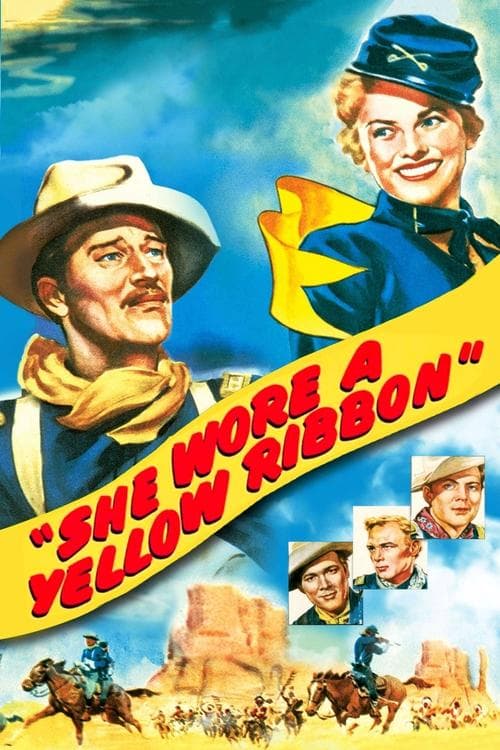
She Wore a Yellow Ribbon poster
Traditional
8.0
She Wore a Yellow Ribbon
 (1949)
Political: Leans Right
Diversity: Low
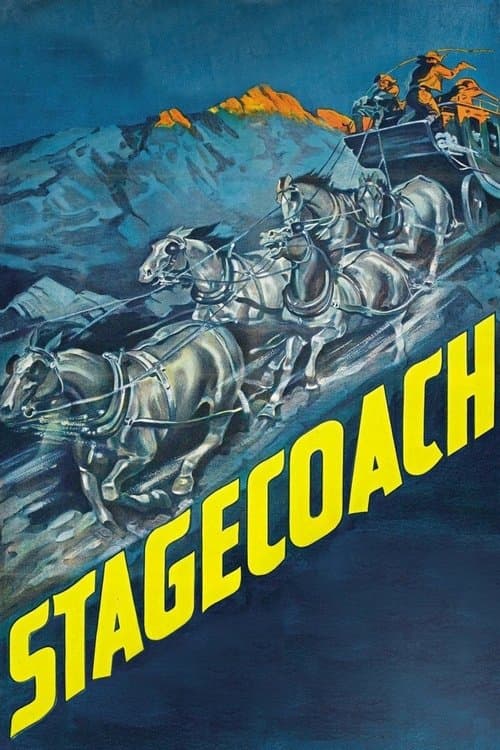
Stagecoach poster
Leans Traditional
8.7
Stagecoach
 (1939)
Political: Center
Diversity: Low
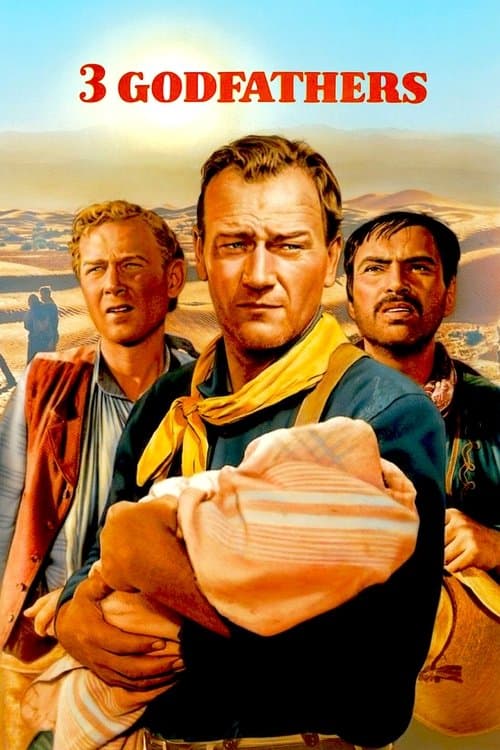
3 Godfathers poster
Traditional
7.7
3 Godfathers
 (1948)
Political: Leans Right
Diversity: Low
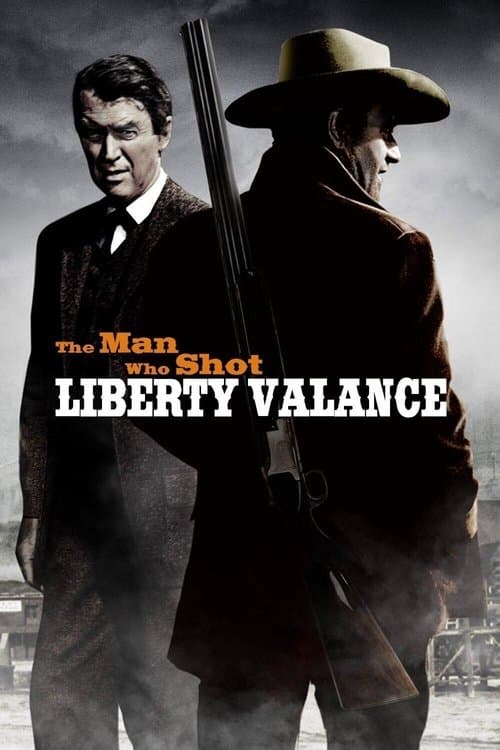
The Man Who Shot Liberty Valance poster
Leans Traditional
8.7
The Man Who Shot Liberty Valance
 (1962)
Political: Center
Diversity: Low
The War Wagon poster
Leans Traditional
7.1
The War Wagon
 (1967)
Political: Center
Diversity: Low
Cheyenne poster
Traditional
6.8
Cheyenne
 (1947)
Political: Leans Right
Diversity: Low
Twins of Suffering Creek poster
Leans Traditional
7.1
Twins of Suffering Creek
 (1920)
Political: Center
Diversity: Low
Pale Rider poster
Traditional
7.5
Pale Rider
 (1985)
Political: Leans Right
Diversity: Low
The Magnificent Seven poster
Leans Traditional
7.9
The Magnificent Seven
 (1960)
Political: Leans Right
Diversity: Low
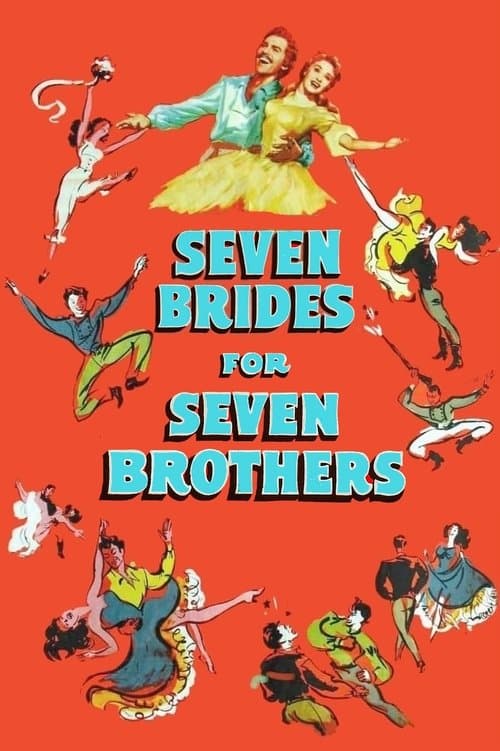
Seven Brides for Seven Brothers poster
Traditional
7.7
Seven Brides for Seven Brothers
 (1954)
Political: Leans Right
Diversity: Low
The Looney, Looney, Looney Bugs Bunny Movie poster
Leans Traditional
7.1
The Looney, Looney, Looney Bugs Bunny Movie
 (1981)
Political: Center
Diversity: Low
The Cowboys poster
Traditional
6.8
The Cowboys
 (1972)
Political: Leans Right
Diversity: Low
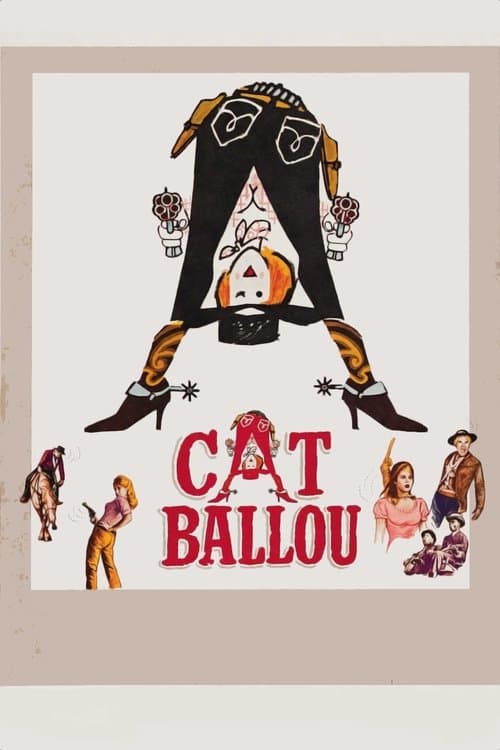
Cat Ballou poster
Leans Traditional
7.0
Cat Ballou
 (1965)
Political: Center
Diversity: Low
High Plains Drifter poster
Traditional
7.8
High Plains Drifter
 (1973)
Political: Leans Right
Diversity: Low
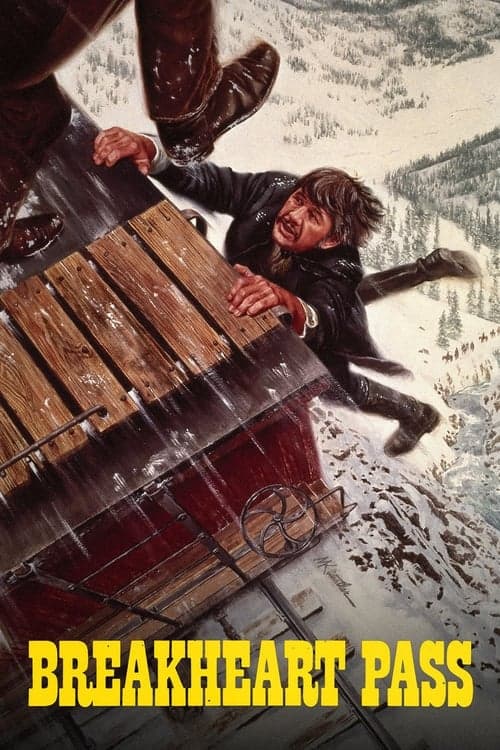
Breakheart Pass poster
Leans Traditional
6.7
Breakheart Pass
 (1975)
Political: Center
Diversity: Low
Old Henry poster
Traditional
7.7
Old Henry
 (2021)
Political: Leans Right
Diversity: Low
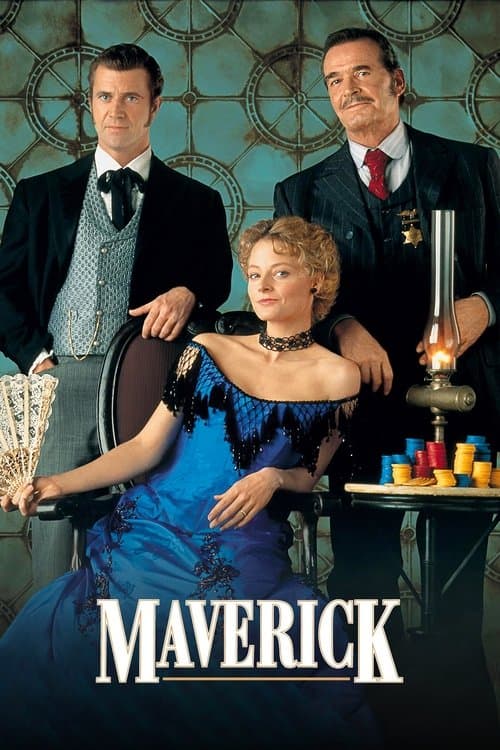
Maverick poster
Leans Traditional
6.7
Maverick
 (1994)
Political: Center
Diversity: Low
Open Range poster
Traditional
7.3
Open Range
 (2003)
Political: Leans Right
Diversity: Low
The Treasure of the Sierra Madre poster
Leans Traditional
9.0
The Treasure of the Sierra Madre
 (1948)
Political: Center
Diversity: Low
Winchester '73 poster
Traditional
8.3
Winchester '73
 (1950)
Political: Leans Right
Diversity: Low
MovieBias

Privacy PolicyTerms of ServiceCookies PolicyAI Policy

Copyright 2026 © moviebias.com