

8.9
Viewer Rating
Combines user and critic ratings from four sources
Adventure, Fantasy, Action • 2001 • 179 min • Teen (13+)

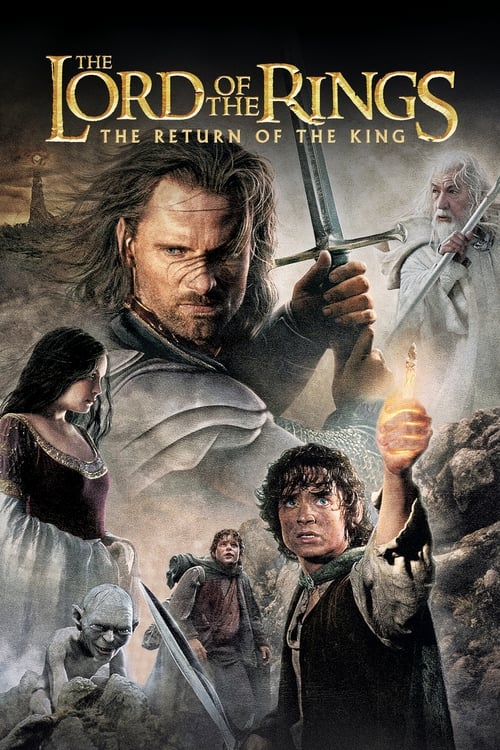
Young hobbit Frodo Baggins, after inheriting a mysterious ring from his uncle Bilbo, must leave his home in order to keep it from falling into the hands of its evil creator. Along the way, a fellowship is formed to protect the ringbearer and make sure that the ring arrives at its final destination: Mt. Doom, the only place where it can be destroyed.
Elijah Wood • Ian McKellen • Orlando Bloom
Young hobbit Frodo Baggins, after inheriting a mysterious ring from his uncle Bilbo, must leave his home in order to keep it from falling into the hands of its evil creator. Along the way, a fellowship is formed to protect the ringbearer and make sure that the ring arrives at its final destination: Mt. Doom, the only place where it can be destroyed.
Elijah Wood • Ian McKellen • Orlando Bloom
The film's central conflict against tyranny and corruption is balanced by themes of environmental protection and unity among diverse peoples, alongside a strong reverence for tradition and individual heroism, preventing a clear alignment with either progressive or conservative ideologies.
The 2001 film 'The Lord of the Rings: The Fellowship of the Ring' features traditional casting that aligns with its source material, predominantly showcasing white actors without explicit race or gender swaps. The narrative focuses on classic epic fantasy themes of good versus evil, without explicitly critiquing or negatively portraying traditional identities.
The Lord of the Rings: The Fellowship of the Ring does not explicitly feature any LGBTQ+ characters or themes. The narrative focuses on heterosexual relationships and platonic friendships, resulting in no direct portrayal of queer identities or experiences within the film's storyline.
The Lord of the Rings: The Fellowship of the Ring does not feature any identifiable transsexual characters or themes. The narrative is entirely focused on a high-fantasy quest, with no elements that depict or allude to transsexual identities or experiences.
The film features prominent female characters such as Arwen and Galadriel. While Arwen confronts the Nazgûl and ensures Frodo's escape, her victory is achieved by summoning a magical flood, not through direct physical combat. Galadriel's power is primarily magical and does not involve physical altercations.
All major characters in "The Lord of the Rings: The Fellowship of the Ring" maintain the same gender as established in J.R.R. Tolkien's original novels. There are no instances of a character canonically established as one gender being portrayed as a different gender in the film.
The 2001 film adaptation of "The Lord of the Rings: The Fellowship of the Ring" portrays its main characters with racial appearances consistent with their descriptions and widely understood interpretations from J.R.R. Tolkien's original novels. No established characters were depicted as a different race.
Combines user and critic ratings from four sources